Emergency Response
Storm Flooding Cleanup in North Miami Beach, FL
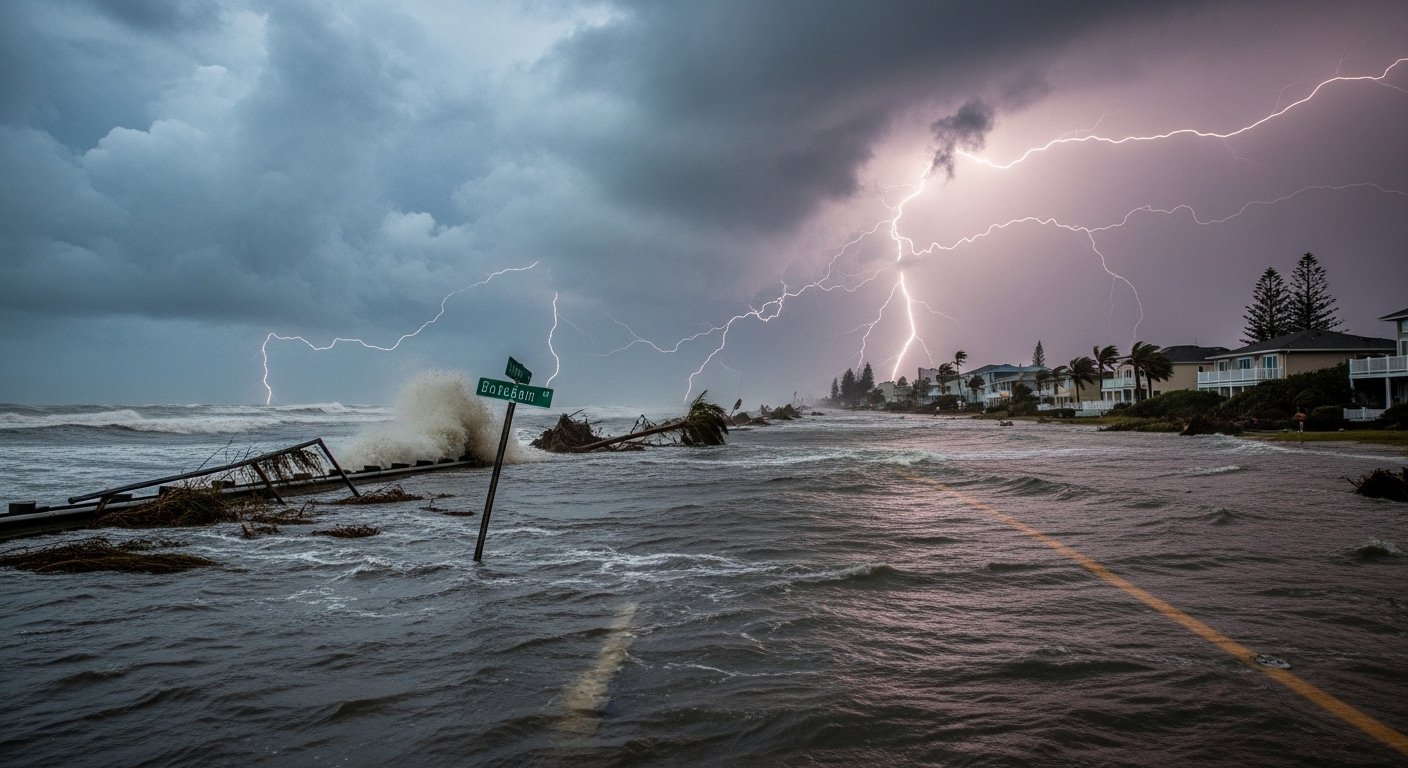
Storm Flooding Cleanup needs quick action because the first few hours usually decide how much secondary damage follows.
Situations that should not wait
- active water entering the property
- standing water spreading into multiple rooms
- storm or hurricane-related intrusion
- contaminated or sewage water
- condo leaks affecting neighboring units
- ceiling sag or electrical concern
What happens during an emergency visit
The emergency phase focuses on stabilizing the property. That may include safety checks, locating the active source, extracting standing water, protecting contents, setting up immediate drying, and documenting what was affected. In storm conditions, the work may also involve coordinating temporary protection so the water intrusion does not keep getting worse.
North Miami Beach and nearby coastal communities often see overnight leaks, hurricane-related roof problems, and flood conditions that affect more than one room or more than one unit. That is why emergency response has to be practical. The first priority is not making the property look finished. It is stopping the spread and setting the stage for complete drying and repair.
Related services
What comes next after immediate cleanup
Once the property is stable, the next step is a full drying and restoration plan. Some jobs only need extraction and equipment. Others need demolition of unsalvageable materials, sanitation, mold prevention steps, or coordination with management and insurance. Moving quickly at the start keeps those decisions narrower and cleaner.
Common Questions
Do I need emergency service right away?
If water is active, contaminated, spreading quickly, or affecting ceilings, electrical areas, or multiple rooms, yes.
Can you help after a hurricane or major rain event?
Yes. Emergency cleanup is available 24 hours for storm-related water losses.
What should I do while waiting for help?
Stay out of hazardous areas, shut off the source when possible, move small valuables, and keep children and pets away from wet materials.
Will emergency work include drying?
Emergency response usually starts with safety, extraction, and stabilization, then moves into a structured drying plan.